Source Snap In Super Capacitor for Power, Lighting, Air Conditioner
Compare 30 snap in super capacitor options from verified Chinese manufacturers. Buyers can evaluate specifications like voltage, capacitance, and temperature range for power, lighting, and air conditioner applications. Detailed product data includes packaging types, terminal counts, and operating temperatures to support informed sourcing decisions for general purpose and high frequency coupling needs.
Key considerations
Products List






Comprehensive Sourcing Guide
Snap In Super Capacitor Sourcing Guide
Procuring snap-in super capacitors requires distinguishing between standard electrolytic components and true supercapacitor technologies, as market listings often conflate these categories. Buyers must scrutinize product attributes to confirm whether the item is a high-frequency coupling capacitor or a genuine energy storage device, as the application dictates the necessary performance metrics. The observed data indicates a mix of fixed capacitors and supercapacitors, necessitating a careful review of the specific model number and capacitance range to ensure the component matches the intended circuit design.
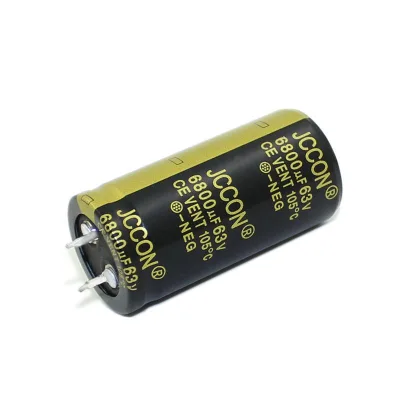
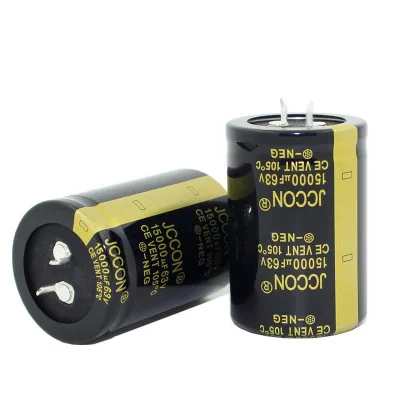
Verification of the physical form factor is equally critical, as the "snap-in" designation implies a specific mounting mechanism distinct from through-hole or surface-mount options. Sourcing teams should prioritize listings that explicitly define the terminal configuration and housing shape to avoid integration errors during assembly. The presence of varying voltage ratings, such as 100V or 450V, further complicates selection, requiring a precise match between the component's electrical limits and the system's operational requirements to prevent premature failure.
Product Scope and Observed Listing Signals
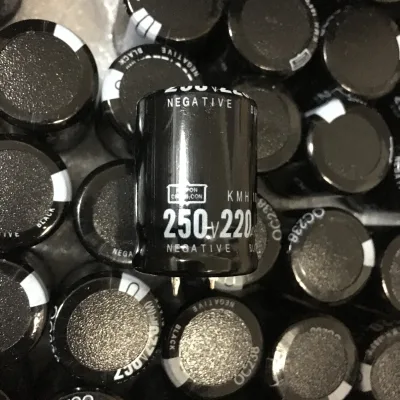
The market for these components displays a wide variance in packaging and physical dimensions, ranging from bulk boxes to tape-and-reel formats. Buyers should expect to encounter products with specific size codes like 3563 or 3050, which directly influence the available PCB real estate and thermal management strategies. The observed listings also highlight a diversity in color, including blue and black variants, which may serve as visual indicators for different voltage classes or manufacturer-specific coding schemes rather than functional differences.
Application signals in the data suggest these components are frequently marketed for general-purpose power supplies, lighting systems, and air conditioning units. However, the presence of "High Frequency Coupling" attributes alongside "Supercapacitor" types indicates a potential mismatch in product categorization that buyers must resolve. It is essential to cross-reference the stated usage with the actual electrical characteristics, ensuring that the component is suitable for the specific energy storage or filtering role required by the end application.
Technical Specifications to Verify
Electrical parameters such as voltage and capacitance are the primary determinants of component suitability, with observed ranges spanning from 1-50uF up to specific high-voltage ratings like 250V or 450V. Procurement teams must verify that the listed capacitance tolerance, often noted as ±20%, aligns with the circuit's stability requirements, as wider tolerances can lead to inconsistent performance in sensitive power regulation applications. The operating temperature range of -55 to +105 degrees Celsius is a critical specification that must be validated against the environmental conditions of the final product deployment.
Physical construction details, including the number of pins and terminal types, must be confirmed to ensure mechanical compatibility with the assembly line. The data indicates a prevalence of two-pin configurations, though some listings mention terminal options ranging from two to five pins, which could significantly alter the wiring harness design. Additionally, the load life specification of 5000 hours serves as a key reliability metric, and buyers should request detailed lifetime testing data to confirm that the component will withstand the expected duty cycle without degradation.
Compliance and Safety Documentation
Regulatory compliance is a non-negotiable aspect of sourcing, with observed listings frequently citing CE, RoHS, and Reach Report standards. Buyers must insist on receiving valid, up-to-date certification documents that specifically cover the exact model number being purchased, as generic compliance statements may not apply to all variations within a product line. The presence of these standards suggests adherence to international safety and environmental guidelines, but verification is necessary to ensure the documentation is current and issued by an accredited body.
Material safety and manufacturing origin also play a vital role in the compliance landscape, particularly given that many products originate from Guangdong, China. Sourcing teams should verify that the manufacturing material, identified as electrolytic, meets the specific environmental restrictions of the target market, such as restrictions on hazardous substances. The "Made in China" or OEM branding often accompanies these components, requiring a clear understanding of the supply chain transparency to ensure that no unauthorized subcontracting has compromised the quality or regulatory standing of the final product.
Cost Drivers and Commercial Terms
Pricing for these components is influenced by a complex interplay of specifications, including voltage rating, capacitance value, and physical size, with observed ranges extending from nominal values to over 1000 USD for specialized configurations. The minimum order quantity (MOQ) varies significantly, ranging from single units to 10,000 pieces, which directly impacts the unit cost and the feasibility of small-batch prototyping versus mass production. Buyers should analyze the supply ability, often cited as 1000 pieces per month, to determine if the supplier can meet the volume requirements of their production schedule without causing delays.
Payment terms and logistics are additional cost factors that must be negotiated to optimize the total cost of ownership. The availability of payment methods such as TT, Ali Trade Assurance, and Western Union offers flexibility but also introduces varying levels of financial security for the buyer. Furthermore, the port of dispatch, typically Shenzhen, and the packaging type, whether bulk or boxed, affect shipping costs and handling efficiency. Understanding these commercial variables is essential for accurate budgeting and ensuring that the procurement process remains financially viable throughout the product lifecycle.
Supplier Qualification and Quality Control
Supplier qualification should focus on verifying the "Original Manufacturer" status claimed in the listings, as this designation often correlates with better quality control and direct access to technical support. Buyers must assess the supplier's ability to provide comprehensive media, including photos and datasheets, to validate the physical and electrical characteristics of the product before placing an order. The presence of OEM capabilities suggests flexibility in branding, but it is crucial to ensure that the underlying manufacturing processes remain consistent and meet the required quality standards.
Quality control measures should include a rigorous review of the product's tolerance levels and load life specifications to ensure long-term reliability. The observed data indicates a focus on general-purpose applications, but buyers should request specific test results for high-stress environments to confirm the component's durability. Establishing a clear communication channel for technical queries and ensuring the supplier can provide rapid responses to quality issues is essential for maintaining production continuity and minimizing the risk of field failures.
Long-Term Procurement Checks
Sustaining a reliable supply chain requires regular audits of the supplier's production capacity and adherence to the agreed-upon specifications over time. Buyers should monitor changes in the product's origin, packaging, or material composition, as these factors can subtly alter performance characteristics even if the model number remains the same. Establishing a schedule for periodic re-qualification of the components ensures that the supply remains consistent and that any deviations from the initial specifications are identified and addressed promptly.
Future-proofing the procurement strategy involves maintaining a relationship with the supplier to anticipate potential obsolescence or changes in regulatory requirements. Given the dynamic nature of the electronics market, buyers should stay informed about updates to RoHS, Reach, and other environmental standards that may impact the availability of specific component types. Proactive communication regarding supply chain risks and the development of alternative sourcing options can mitigate the impact of disruptions and ensure a stable supply of snap-in super capacitors for ongoing production needs.
FAQs
What is the voltage rating for these snap in super capacitors?
The voltage rating is 100V or 450V depending on the specific model selected. These electrolytic capacitors are designed for high frequency coupling and general purpose applications. Users should verify the exact voltage requirement against their circuit design to ensure safe and reliable operation within the specified temperature range.
Can these super capacitors be customized for specific projects?
Yes, customization is available for these snap in super capacitors. Buyers can request specific packaging types such as bulk or tape, and adjust terminal configurations. The manufacturer supports OEM branding and offers various capacitance values. This flexibility allows for tailored solutions that meet unique engineering requirements and integration needs.
What certifications do these capacitors hold?
These capacitors hold CE and RoHS certifications, ensuring compliance with international safety and environmental standards. Some models also include a Reach Report for additional regulatory assurance. These certifications verify that the manufacturing materials and processes meet strict guidelines, making them suitable for global markets and regulated industries requiring certified components.
What is the typical lead time for bulk orders?
The supply ability is listed as 1000 pieces per month. While specific lead times are not explicitly stated, buyers should contact the supplier for precise delivery schedules. Bulk packaging is standard, and orders can be dispatched from Shenzhen. Early communication ensures alignment with production capacity and shipping logistics for timely project completion.
What are the common applications for these components?
These components are used in power supplies, lighting, air conditioners, and audio equipment. They serve general purpose applications and switching power supplies. The snap-in structure and electrolytic construction make them ideal for filtering and coupling in various electronic devices. Their robust design supports reliable performance in demanding electrical environments.
How are these capacitors packaged for shipment?
They are packaged in bulk or tape formats, with 100 pieces per box. This packaging ensures safe handling and storage during transit. The bulk option is cost-effective for large volumes, while tape packaging aids in automated assembly processes. Buyers can specify their preferred packaging method to align with their manufacturing workflow and inventory management.